This Week in News
The week’s news cycle has been dominated by a restless sense of uncertainty, a feeling that reverberates through the headlines from Washington to Warsaw and from the boardrooms of Europe’s car makers to the streets of London. Three international bodies sounded the alarm over soaring sovereign debt and ever‑greener borrowing costs, a warning that dovetails neatly with Larry Elliott’s stark reminder that another financial crisis may be looming. The tone is unmistakably cautious: a majority of stories sit in a neutral register, but the undercurrent is decidedly negative, as markets and policymakers scramble to brace for a potential shock that could ripple through every corner of the global economy.
Across the Atlantic, US politics remains a hotbed of tension, with the Miliband‑Iran episode underscoring how diplomatic posturing can quickly turn into a domestic security concern. The United Kingdom, meanwhile, is wrestling with its own political contradictions: Labour’s flagship apprenticeship scheme has produced a paltry 160 starts in eight months, a figure that starkly contrasts with the government’s rhetoric about upskilling the workforce. In the realm of crime and justice, the execution of Christa Pike in Tennessee—her first as a woman in two centuries—has reignited debates over capital punishment and the treatment of vulnerable defendants, while Manchester City supporters fret over relegation, a reminder that sport and civic identity remain tightly interwoven with broader social anxieties.
The climate and technology narratives are equally fraught. Bill McKibben’s observation that the climate fight’s greatest ally is invisible—perhaps the very data and models that drive policy—sits uneasily beside Granate Kim and Mohamed Hussein’s warning that AI’s dangers are already manifest, even as Nvidia’s chief insists there is “0 % chance” of an existential AI catastrophe by 2030. This juxtaposition of optimism and alarm captures the paradox of a world where breakthroughs promise salvation while simultaneously exposing new vulnerabilities, a tension that is reflected in the visualisation of London’s slowing bus network, a microcosm of how infrastructure struggles to keep pace with rapid urban growth.
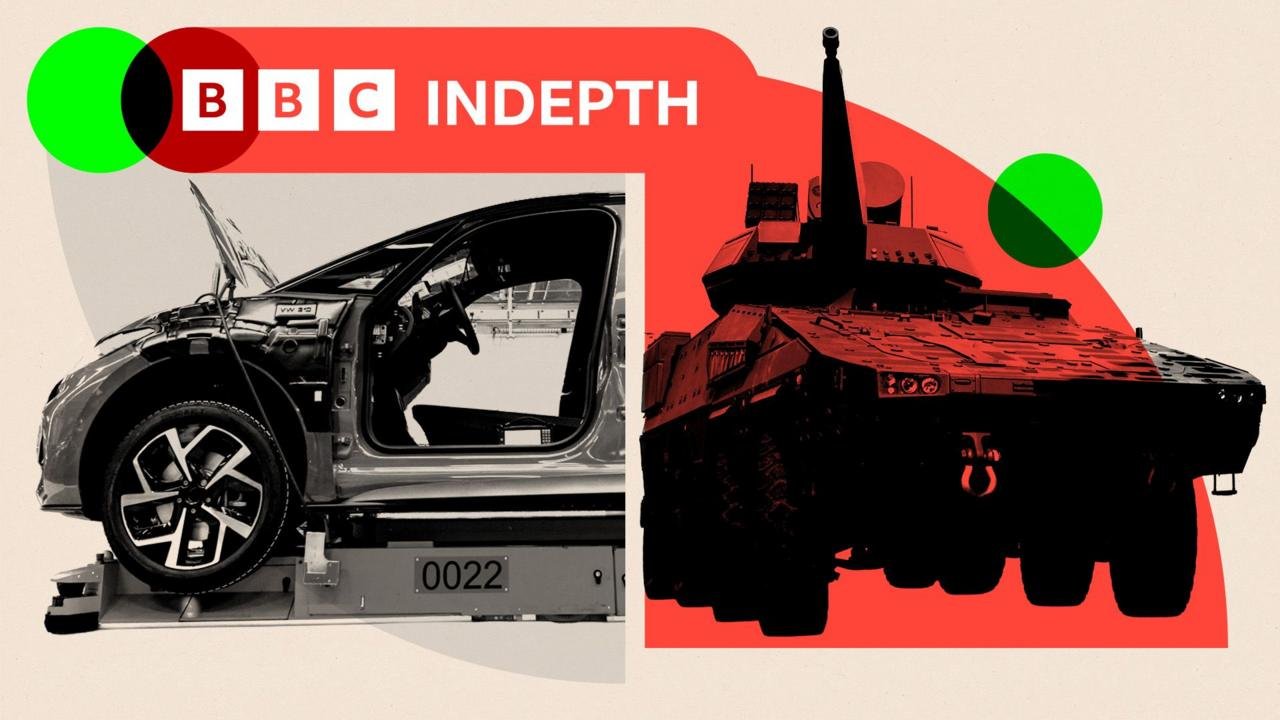
Europe’s industrial heart is also under pressure. The automotive sector, once a symbol of post‑war prosperity, now faces a crisis that some hope might be mitigated by the spectre of war, a bleak calculus that underscores how geopolitical instability can become a perverse lifeline for struggling manufacturers. At the same time, the diesel crisis in Britain—where drivers claim half their wages go to fuel—highlights the everyday impact of energy policy and trade disputes, a theme echoed in the EU’s rebuke of former President Trump’s proposal to ban US diesel exports, a move deemed harmful to both sides of the Atlantic.
Finally, the business landscape is in flux. TalkTalk’s hurried divestiture of its consumer and broadband arms signals a broader retreat from the volatile telecom market as regulatory clouds gather, while the broader sentiment across the 2,280 articles remains largely neutral, suggesting a collective waiting game. The week’s tapestry of stories—debt warnings, apprenticeship shortfalls, climate‑tech paradoxes, and industrial anxieties—paints a picture of a world teetering on the edge of change, where preparation and prudence may be the only reliable guides through the uncertainty ahead.
Coverage by Topic
| Topic | Articles | Percentage |
|---|---|---|
| Other | 492 | 21.6% |
| US Politics | 292 | 12.8% |
| International | 200 | 8.8% |
| Crime & Justice | 175 | 7.7% |
| Politics | 147 | 6.4% |
Coverage by Source
| Source | Articles | Percentage |
|---|---|---|
| Daily Mail | 216 | 9.5% |
| Breitbart | 208 | 9.1% |
| BBC | 197 | 8.6% |
| Mirror | 188 | 8.2% |
| CNBC | 183 | 8% |
Sentiment Distribution
| Sentiment | Count | Percentage |
|---|---|---|
| POSITIVE | 441 | 19.3% |
| NEUTRAL | 1160 | 50.9% |
| NEGATIVE | 679 | 29.8% |