This Week in News
The week’s headlines paint a picture of a world teetering between alarm and endurance, with corruption, finance and climate each demanding a different kind of vigilance. In Malta, the fallout from the Daphne Caruana Galizia verdict has been described as an “utter disbelief” that has pushed the island nation toward a looming corruption crisis, a stark reminder that the pursuit of justice can still ignite public fury. Across the Channel, JPMorgan chief Jamie Dimon took his warning directly to the UK Treasury, cautioning Chancellor Jeremy Hunt against a proposed bank‑tax hike that he says would stifle investment, while a separate letter in the Guardian questioned why British taxpayers continue to subsidise profitable commercial banks at the cost of £24 billion a year.
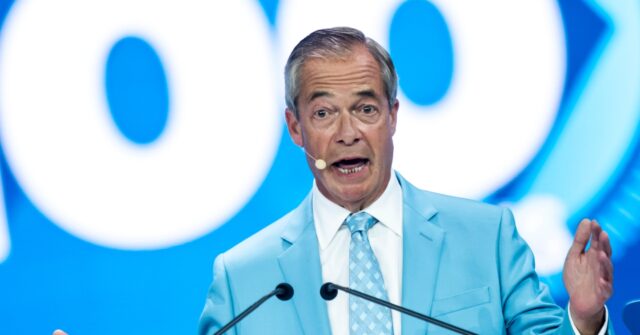
Security concerns have also moved from the streets to the digital realm. Police in the United States voiced unease that Meta’s forthcoming smart glasses could become covert recording devices, a fear echoed by pilots who warned that emergency‑helicopter “laser attacks” might trigger catastrophic accidents. In the political arena, the British right has grown louder: Nigel Farage warned that Britain stands on the brink of “serious civil disturbance” over the migrant crisis, while former Labour minister Ed Miliband found himself at odds with the chief rabbi’s claim that British Jews face heightened danger after recent sanctions moves, a dispute that underscores how foreign policy reverberates through domestic communal anxieties.
Economic data offered a mixed ledger. The European Central Bank nudged rates up to 2.5 percent, linking the decision to an Iran‑driven surge in global inflation, and oil prices breached the $100‑a‑barrel threshold for the first time since July, a direct echo of the same conflict. Meanwhile, British industry showed signs of strain: Jaguar Land Rover’s suppliers voiced dread over the carmaker’s cutbacks, and a Guardian analysis warned that tiny cash buffers leave small UK television firms perilously close to bankruptcy. Yet not all news was bleak; English winemakers, buoyed by a record‑breaking summer heat, proclaimed a “vintage year,” suggesting that climate‑induced abundance can still spark optimism in traditional sectors.
The technology sector, meanwhile, found itself under a cloud of skepticism. Calls from AI leaders for a slowdown were met with derision, branded as “too little, too late” by critics who remain perplexed by the push for restraint. In Silicon Valley, insider warnings about the unchecked march of artificial intelligence fell flat, highlighting a growing disconnect between industry insiders who see looming risks and a market that continues to chase the next breakthrough. This tension reflects a broader pattern: the promise of innovation is increasingly weighed against the potential for unintended consequences.
Overall, the week’s sentiment leaned heavily toward the neutral and negative, with only a modest 19 percent of coverage offering a positive spin. The dominant narratives—corruption fears in Malta, fiscal disputes in the UK, geopolitical shocks from the Iran war, and the uneasy marriage of technology and security—suggest a world where institutions are constantly tested. Yet, amidst the turbulence, pockets of resilience—whether in a vineyard’s hopeful harvest or in the stubborn optimism of those who still champion responsible AI—hint at the possibility that even in a climate of uncertainty, moments of renewal can still surface.
Coverage by Topic
| Topic | Articles | Percentage |
|---|---|---|
| Other | 534 | 22.8% |
| US Politics | 226 | 9.6% |
| International | 204 | 8.7% |
| Crime & Justice | 178 | 7.6% |
| Health & Safety | 175 | 7.5% |
Coverage by Source
| Source | Articles | Percentage |
|---|---|---|
| Daily Mail | 215 | 9.2% |
| Breitbart | 193 | 8.2% |
| Independent | 191 | 8.1% |
| BBC | 188 | 8% |
| Mirror | 182 | 7.8% |
Sentiment Distribution
| Sentiment | Count | Percentage |
|---|---|---|
| POSITIVE | 443 | 18.9% |
| NEUTRAL | 1176 | 50.1% |
| NEGATIVE | 727 | 31% |