This Week in News
The past week has been marked by a singular, overarching narrative: the escalating conflict between Iran and the international community, particularly the United States and the United Kingdom. This is evident from the plethora of headlines focused on the topic, including "Oil prices rise after ships attacked near Strait of Hormuz" (BBC) and "Oil Prices Jump After Iran Attack" (NY Times), which indicate a significant disruption to global energy markets. The story matters because it has far-reaching implications for international relations, global trade, and the stability of financial markets, as highlighted by CNBC's "Global week ahead: Operation Epic Fury means new risks for markets". The fact that this narrative has dominated the news cycle, with 138 articles analyzed, underscores its gravity and the need for close attention from policymakers, investors, and the general public.
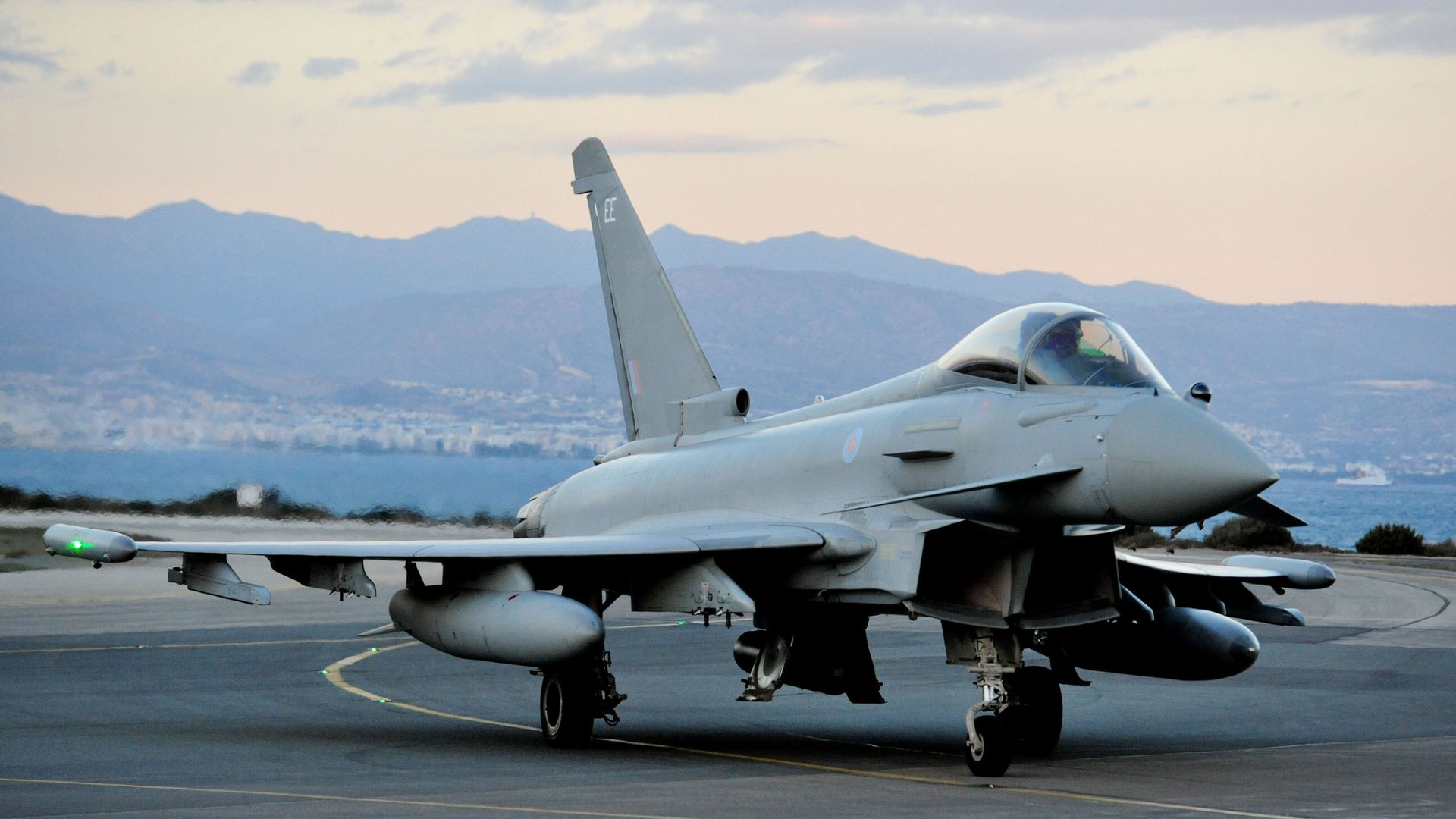
The top political and international stories of the week have been largely centered on the Iran conflict, with the UK and US taking a prominent role. The decision by Starmer to give Trump permission to use RAF bases for defensive action against Iran, as reported by the Independent, marks a significant escalation of British involvement in the conflict. This move is likely to have significant implications for UK politics, as evident from "The Papers: 'Britain backs war on Iran' and 'Trump vows to press on'" (BBC). Furthermore, Trump's statements on the matter, including his claim that the war could last weeks and his competing visions of a new regime, as reported by the NY Times, have added to the uncertainty and tension surrounding the conflict. The suspected Iranian drone strike on an RAF base in Cyprus, confirmed by the MOD and reported by multiple outlets, including the BBC and Sky News, has further heightened concerns about the conflict's potential to spread.
The business and economic implications of the Iran conflict have also been a major focus of attention, with significant impacts on energy markets and airline stocks. The rise in oil prices, as reported by the BBC and NY Times, has been a direct consequence of the attacks on ships near the Strait of Hormuz. In contrast, energy shares have risen, as reported by CNBC, while Asian airline stocks have dropped, indicating the complex and multifaceted nature of the conflict's economic implications. The fact that CNBC's "Asia airline stocks drop while energy shares rise as Iran conflict escalates" suggests that investors are bracing for a potentially prolonged and disruptive conflict. The intersection of geopolitics and finance is a critical area of focus, as the conflict's evolution will have significant implications for global trade, investment, and economic stability.
The sentiment pattern and cross-outlet coverage of the news stories reveal a complex and nuanced landscape. With 29% of articles analyzed having a positive sentiment, 50% neutral, and 19% negative, it is clear that the news outlets are approaching the story with a mix of caution and alarm. The fact that top sources, including the BBC, Fox News, NY Times, and Independent, have dedicated significant coverage to the conflict underscores its importance and the need for ongoing attention. The diversity of outlets covering the story, from entertainment-focused outlets like the NY Times, which reported on the SAG Actor Awards, to more specialized outlets like CNBC, which reported on the market implications, highlights the far-reaching implications of the conflict. The fact that the SAG Actor Awards, as reported by the NY Times, and the celebrations of Iranian Americans, as reported by the BBC, have been overshadowed by the conflict, underscores the gravity of the situation.
As the situation continues to unfold, it is essential to keep a close eye on developments in the coming week. The potential for further escalation, the response of international leaders, and the economic implications of the conflict will all be critical areas of focus. The fact that the F.B.I. is investigating a potential terrorism connection in a shooting at a bar in Austin, as reported by the NY Times, adds another layer of complexity to the story, highlighting the potential for the conflict to have far-reaching and unpredictable consequences. As the news cycle continues to evolve, it is crucial to stay informed and up-to-date on the latest developments, and to consider the potential implications of the conflict for global stability, economic security, and international relations. With the situation remaining fluid and uncertain, the need for ongoing analysis and attention is clear, and the coming week is likely to be marked by significant developments and revelations.
Total articles analyzed: 138