This Week in News
The week’s news cycle has been dominated by a sense of pressure from multiple directions, a pattern that the data itself confirms: three‑quarters of the coverage sits in a neutral or negative tone, with only a modest slice of optimism. Across the globe, developing economies are now wrestling with a “triple shock” – soaring energy costs, the relentless grip of El Niño, and ever‑higher borrowing rates – a warning issued by the United Nations that underscores how tightly intertwined climate, finance and security have become. In Europe, the United Kingdom’s own infrastructure feels the strain, as diesel prices hit record highs and coach operators warn of service cuts, while the government is criticised for treating food security as a peripheral concern rather than a national priority.
In the Middle East, the conflict’s ripple effects remain starkly visible. Riyadh’s airport suffered another Houthi‑claimed strike, a deadly episode that left twelve people dead and reminded the world that the war’s reach extends far beyond the battlefield. Meanwhile, the Russian assault on Ukrainian civilian buses, which claimed at least thirty lives, adds another grim tally to the surge of attacks on non‑combatants, highlighting the growing civilian cost of a war that shows no sign of abating.
Across the Atlantic, the United States is confronting its own internal reckonings. The New York Times reported the Army’s decision to schedule its first firing‑squad execution since 1945, a move that has reignited debates over capital punishment and the nation’s legal traditions. At the same time, the political establishment faces criticism for complacency on food security, a concern that intertwines with the broader discourse on national resilience and the need for robust policy safeguards.
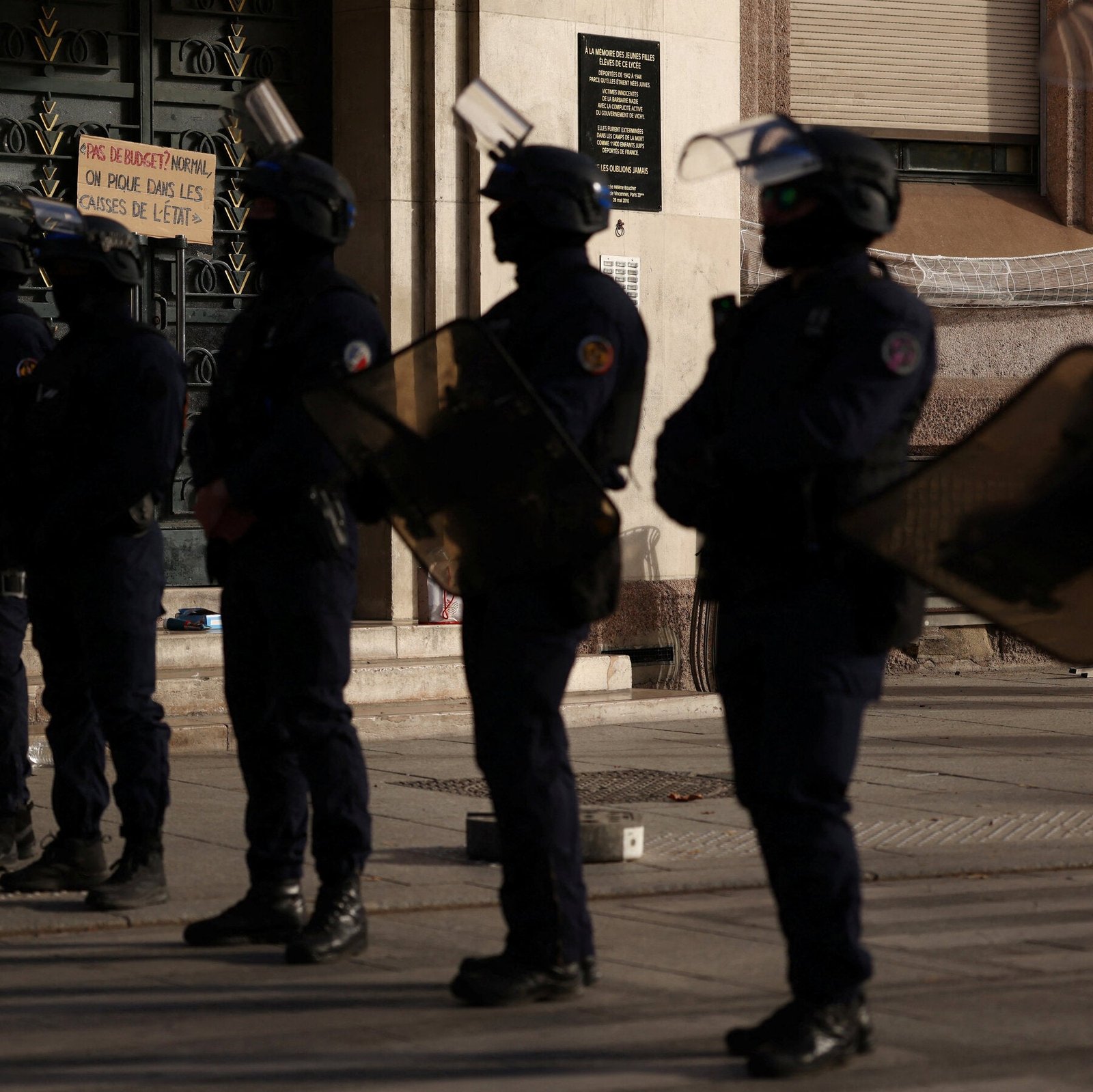
Economic anxieties are not confined to the developing world. France teeters on the edge of a possible debt crisis, with protests and turmoil feeding a precarious fiscal outlook, while Iran’s top security official warned of an imminent economic collapse, a sentiment echoed in reports of zero oil revenue for the first time in history. Even the United Kingdom’s budgetary plans are feeling the heat, as a think‑tank warned that a potential war with Iran could derail Chancellor Jeremy Healey’s fiscal agenda.
Amid the turbulence, a few forward‑looking initiatives emerge. A proposal for a new pre‑apprenticeship scheme aims to bridge the youth unemployment gap, offering a glimmer of hope that targeted education and training can mitigate some of the structural dislocation caused by today’s economic shocks. In the cultural sphere, the Hollywood merger of Warner and Skydance invites speculation about how consolidation might reshape the industry’s creative landscape. Yet, even these developments are shadowed by the broader narrative that the convergence of climate change, geopolitical conflict and financial instability is reshaping the world’s risk calculus, demanding both legal innovation and collective resolve.
Coverage by Topic
| Topic | Articles | Percentage |
|---|---|---|
| Other | 506 | 22.4% |
| US Politics | 252 | 11.2% |
| International | 213 | 9.4% |
| Crime & Justice | 194 | 8.6% |
| Health & Safety | 157 | 6.9% |
Coverage by Source
| Source | Articles | Percentage |
|---|---|---|
| Daily Mail | 213 | 9.4% |
| Breitbart | 208 | 9.2% |
| BBC | 204 | 9% |
| Fox News | 188 | 8.3% |
| CNBC | 185 | 8.2% |
Sentiment Distribution
| Sentiment | Count | Percentage |
|---|---|---|
| POSITIVE | 479 | 21.2% |
| NEUTRAL | 1137 | 50.3% |
| NEGATIVE | 643 | 28.5% |