This Week in News
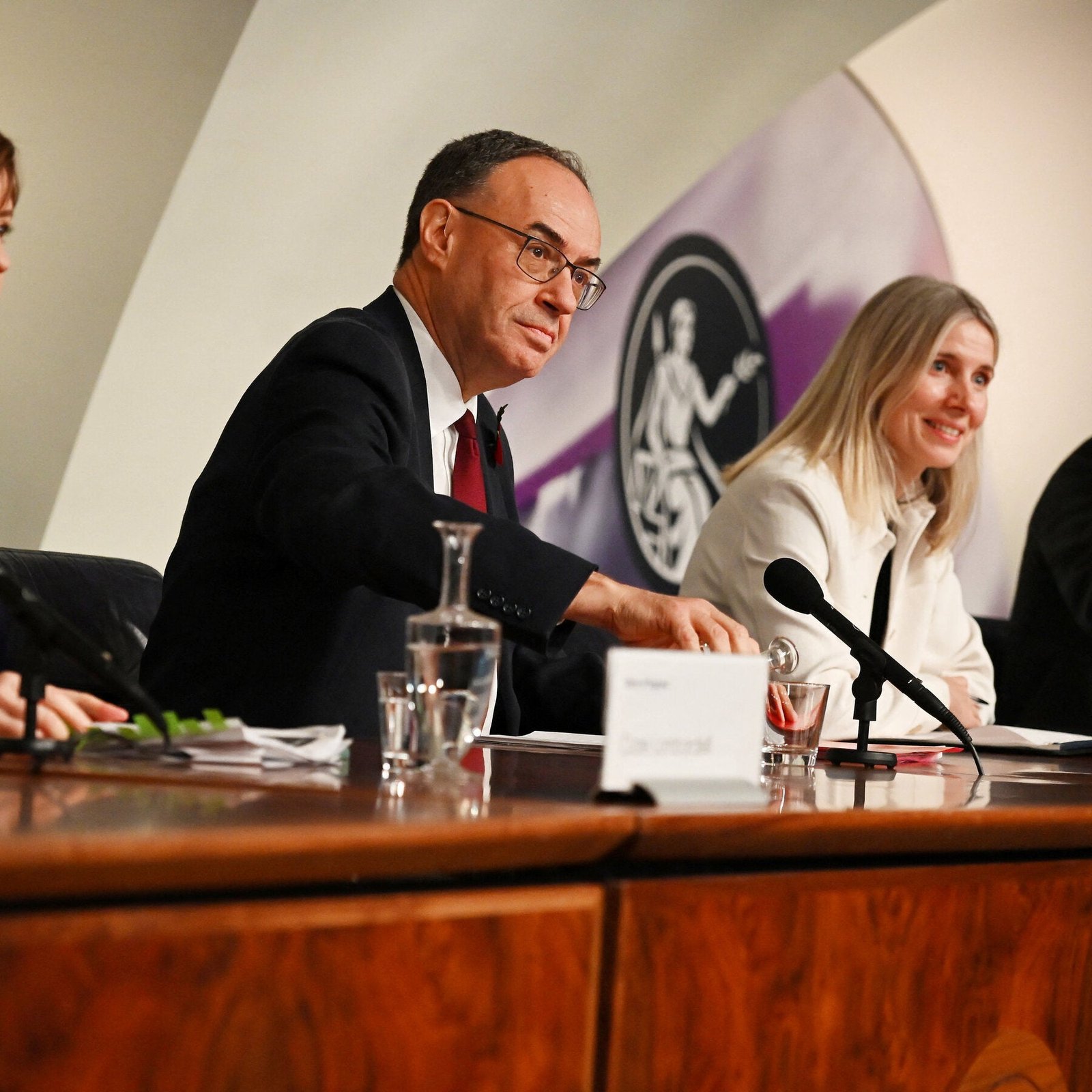
The week’s news cycle has been a study in contrasts, a reminder that the world’s most pressing challenges often unfold far from the headlines we habit‑track. While the Bank of England finally nudged interest rates upward to 4 %, ending a three‑year lull, the move was framed in sober, almost clinical terms—a neutral adjustment to a volatile economy rather than a triumph or a disaster. Across the Atlantic, the United Nations sounded an alarm that funding to help the poorest nations grapple with climate change has stalled, a stark reminder that the global financial apparatus is still struggling to translate concern into concrete aid. In the same vein, the World Bank’s latest data showed the debt of the world’s most vulnerable countries has ballooned to a record $9.4 trillion, underscoring a growing fiscal imbalance that will shape policy debates for years to come.
In Latin America, banana growers are pleading for higher wages to survive the relentless march of climate disruption, a plea that sits uncomfortably beside the more headline‑grabbing drama of Paraguay’s banking collapse. The South American nation has been rocked by a cascade of political fallout: the president was impeached, removed, and placed under house arrest after a bank failure froze the accounts of 60 percent of the population, leaving millions financially stranded. The crisis has been portrayed as “very strange, very sad” by observers, a description that captures the bewildering mix of economic mismanagement and political upheaval that has left the country’s governance in tatters.
The human cost of these systemic shocks is evident in the stories that emerge from the periphery of the data. In Ukraine, the death toll continues to rise as Russian attacks target an aid centre, a hospice, and a hospital, turning already fragile humanitarian corridors into sites of lethal violence. Meanwhile, a 35‑year‑old woman’s harrowing account of a sudden heart‑failure diagnosis brings the abstract statistics of health crises into stark, personal focus. Even the tech‑savvy world feels the tremor: a cyberattack on a French blood bank has prompted a health‑intel sharing group to warn the broader industry, illustrating how the digital and biological realms are increasingly intertwined in vulnerability.
The week also saw a flashpoint in the United Kingdom’s domestic politics, where a proposed Labour ban on conversion therapy could potentially expose corporate leaders to legal challenges. The suggestion that business executives might find themselves in court over a social‑policy measure reflects the growing entanglement of corporate liability and cultural legislation, a theme that resonates beyond the UK’s borders as governments worldwide wrestle with the limits of regulatory reach. Simultaneously, wage protests in Bangladesh forced hundreds of garment factories to shut down, a vivid illustration of how cost‑of‑living pressures are translating into direct action on the factory floor, threatening supply chains that feed global retail markets.
Taken together, these stories paint a picture of a world where economic policy, climate stress, political instability, and public health intersect in increasingly complex ways. The overall sentiment of the coverage—more neutral than positive or negative—mirrors the uneasy equilibrium that policymakers and citizens alike are navigating. As interest rates rise, debts swell, and climate‑induced hardships mount, the real challenge will be turning the neutral tone of today’s reporting into decisive, coordinated action before the next headline turns from a warning into a catastrophe.
Coverage by Topic
| Topic | Articles | Percentage |
|---|---|---|
| Other | 441 | 20.6% |
| US Politics | 330 | 15.4% |
| Politics | 199 | 9.3% |
| Crime & Justice | 158 | 7.4% |
| Business | 135 | 6.3% |
Coverage by Source
| Source | Articles | Percentage |
|---|---|---|
| Breitbart | 209 | 9.8% |
| Daily Mail | 208 | 9.7% |
| CNBC | 192 | 9% |
| BBC | 188 | 8.8% |
| Mirror | 175 | 8.2% |
Sentiment Distribution
| Sentiment | Count | Percentage |
|---|---|---|
| POSITIVE | 468 | 21.8% |
| NEUTRAL | 1112 | 51.9% |
| NEGATIVE | 563 | 26.3% |