This Week in News
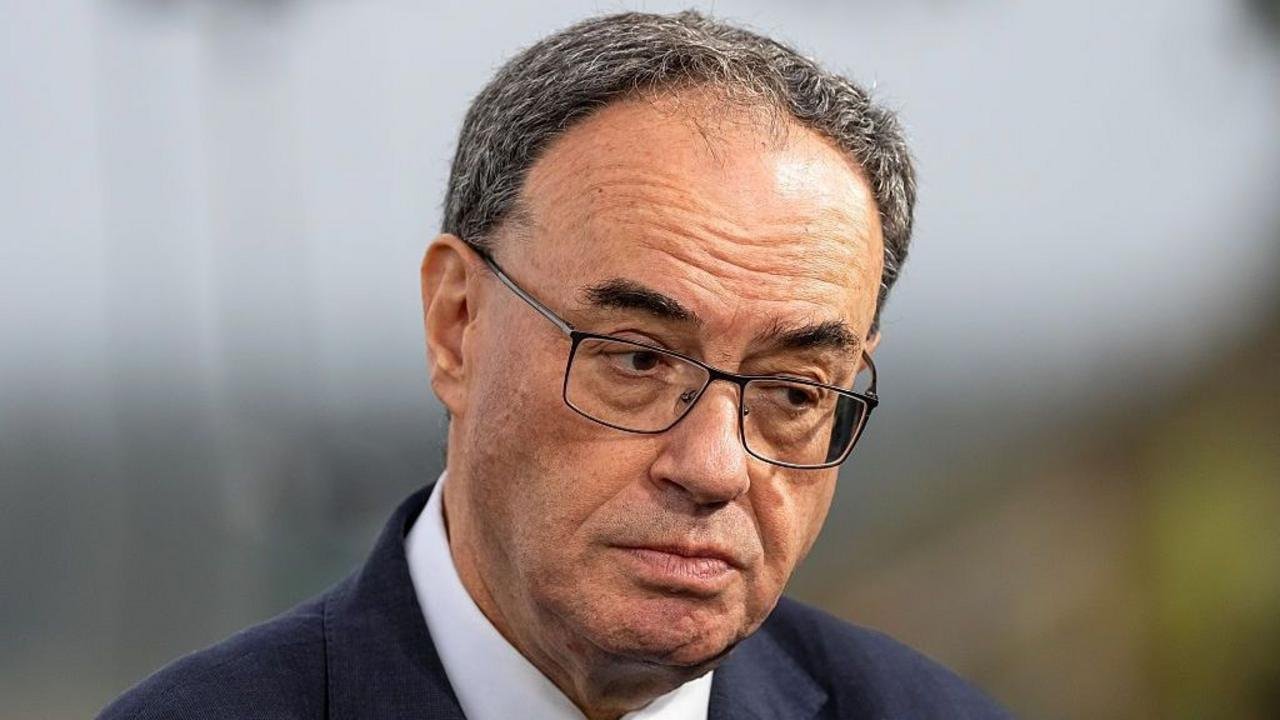
The week’s headlines read like a litany of mounting pressures, from the macro‑economic to the street‑level, and they reveal a world straining under the weight of intertwined crises. In the financial sphere, the Reserve Bank of Australia sounded an alarm that a “major global financial shock” could reverberate down under, while the Bank of England’s governor warned that the AI boom itself might become a catalyst for market turbulence. The same central banker, however, insisted that regulators must secure a “right to intervene” in artificial intelligence before the technology outpaces the safeguards meant to contain it. These warnings underscore a growing consensus that the stability of the global economy now hinges as much on technological governance as on traditional fiscal policy.
Across Europe, political unrest spilled onto the streets in a way that seemed to echo the continent’s lingering social fractures. In France, school protests escalated into what officials described as “urban violence,” prompting the prime minister to convene a crisis cabinet meeting. Spain saw a parallel surge of dissent, with tens of thousands taking to the avenues to demand action on a housing crisis that the right‑wing coalition has repeatedly voted down. The protests, framed by the media as “anger in the streets,” suggest that youthful frustration over cost of living and housing scarcity is no longer a peripheral concern but a central driver of political discourse.
The climate of upheaval was not limited to politics; it manifested in the physical environment as well. Bangkok’s monsoon deluge turned city streets into stagnant lakes, a stark reminder that climate‑induced flooding can quickly become a humanitarian emergency. Meanwhile, a report on the collapse of the once‑celebrated yoga studio Triyoga highlighted how even seemingly niche enterprises can crumble under the dual pressures of unpaid staff and mounting bailiff actions, blurring the line between a business failure and a social safety net breakdown. The juxtaposition of these stories points to a broader pattern: infrastructure, whether urban or institutional, is being tested to its limits.
Health and safety concerns also rose to the fore, with a coroner warning that a mental‑health unit where a patient was killed could see future deaths unless reforms are enacted. In the United Kingdom, the government’s proposed ban on children’s social‑media use was dismissed by critics as merely a “staging post,” suggesting that policy gestures may be out of step with the depth of the problem. Across the Atlantic, former President Donald Trump’s denial that a diesel export ban was ever on the table came as diesel prices surged to a record £2 per litre, a figure that further strains household budgets and fuels public discontent.
Amid the turbulence, cultural and sporting arenas offered their own flashpoints. UEFA president Aleksander Ceferin’s scathing jab at his predecessor, calling him “the emperor is naked,” added a note of intra‑institutional drama to an already fraught week. Even the lighter‑hearted world of first‑job experiences was not immune, as a Guardian Business piece lamented how “Prosecco pratfalls and coffee catastrophes” were being missed by a generation of NEETs, hinting at the broader social cost of prolonged unemployment. The week’s tapestry of stories, while varied in tone, converges on a single theme: societies are grappling with layered, interdependent challenges that demand coordinated, forward‑looking solutions.
Coverage by Topic
| Topic | Articles | Percentage |
|---|---|---|
| Other | 468 | 21.4% |
| Crime & Justice | 225 | 10.3% |
| US Politics | 211 | 9.6% |
| International | 162 | 7.4% |
| Business | 147 | 6.7% |
Coverage by Source
| Source | Articles | Percentage |
|---|---|---|
| Daily Mail | 214 | 9.8% |
| Breitbart | 210 | 9.6% |
| BBC | 197 | 9% |
| CNBC | 184 | 8.4% |
| Mirror | 177 | 8.1% |
Sentiment Distribution
| Sentiment | Count | Percentage |
|---|---|---|
| POSITIVE | 453 | 20.7% |
| NEUTRAL | 1097 | 50.1% |
| NEGATIVE | 638 | 29.2% |